
IT asset management (ITAM) is the discipline of knowing what hardware, software, and licenses your organization owns, where they are, who has them, and how to manage them through their full lifecycle from purchase to disposal. The category is...


IT asset management (ITAM) is the discipline of knowing what hardware, software, and licenses your organization owns, where they are, who has them, and how to manage them through their full lifecycle from purchase to disposal. The category is...
Disaster recovery planning is the discipline of preparing in advance to restore business operations after a major incident that takes systems offline. The incidents vary widely (ransomware, datacenter outage, hardware failure, natural disaster...
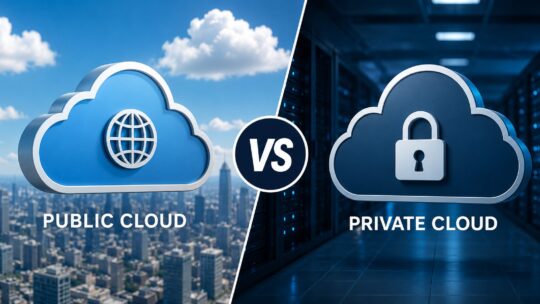
Public vs private cloud is one of the foundational distinctions in cloud computing, and it’s a question that comes up early in any serious cloud strategy discussion. The two deployment models share the same underlying technology pattern (on...
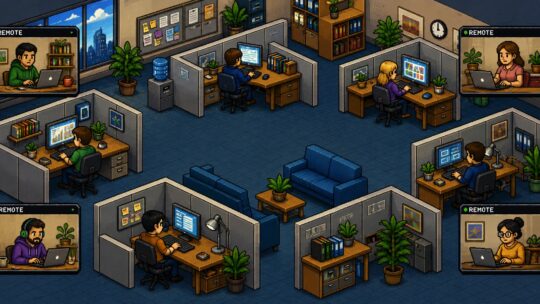
Hybrid work IT is the operational discipline of supporting employees who split their time between remote work and in-office work. The category emerged as widespread office return after pandemic-era full-remote settled into a long-term pattern of...
HTTPS and SSL/TLS are the protocols that make encrypted web connections possible. When you visit a website and see the padlock icon in your browser’s address bar, the underlying technology is TLS (Transport Layer Security, the successor to the...
What is a VPN? A VPN (Virtual Private Network) is a technology that creates an encrypted tunnel between a device and a network over an untrusted intermediate network like the public internet. The tunnel makes the device’s traffic look (from...
What is a firewall? A firewall is a network security device or software that monitors traffic between two networks and decides what to allow through based on rules. The classic deployment is at the boundary between a trusted internal network (the...
SaaS vs PaaS vs IaaS are the three foundational service models that organize most of cloud computing. Each one represents a different layer of abstraction: how much of the technology stack the cloud provider manages versus how much the customer...
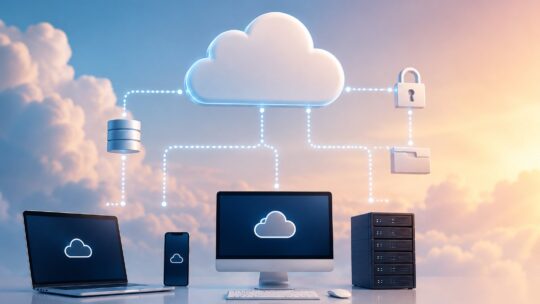
What is cloud computing? Cloud computing is the on-demand delivery of computing resources (storage, processing power, databases, applications, networking) over the internet rather than from hardware physically installed in your office or home...

IT infrastructure components are the layered set of hardware, networking, software, data storage, and operational capabilities that make business technology work. For a small business with a few laptops and a wireless router, the infrastructure is...
