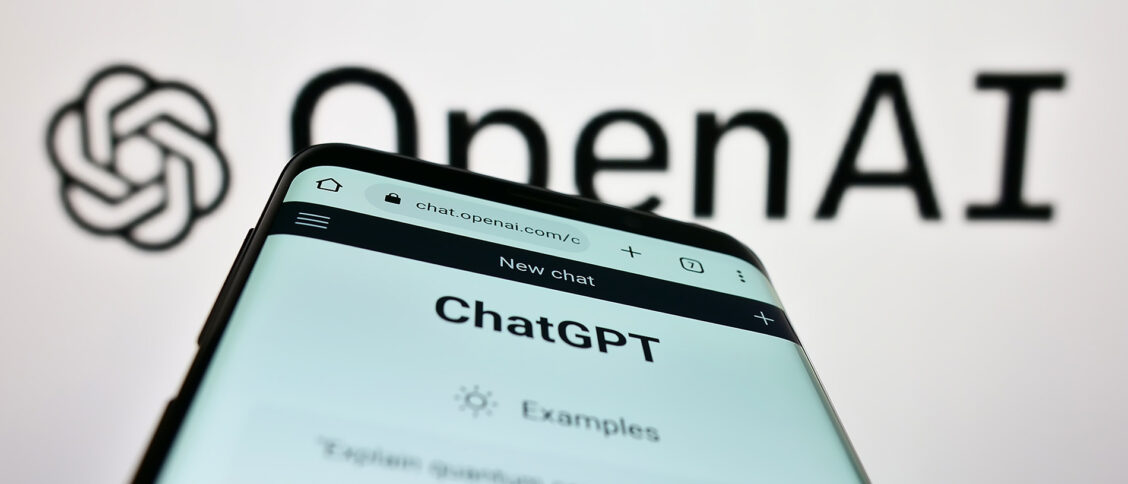
The ChatGPT-4o features that made the May 13, 2024 launch significant come down to one architectural shift: ChatGPT-4o is OpenAI’s first model where text, voice, image, and video are processed by a single unified model rather than separate models handing off to each other. The "o" stands for "omni." The capability matters because the latency drops dramatically (response in milliseconds rather than seconds for voice conversation), the cross-modal understanding gets sharper, and the cost per interaction is substantially lower than the previous GPT-4 generation.
This post walks through what ChatGPT-4o actually changed, how it differs from GPT-4 (and from GPT-3.5 before it), where the practical impact has shown up in real usage, and what business operators should understand about adopting it. For broader AI context, see our piece on what artificial intelligence is; for the underlying language model technology, NLP 101 covers the foundations.
What ChatGPT-4o actually is
ChatGPT-4o is the model OpenAI released on May 13, 2024, as the new default for ChatGPT. It replaced GPT-4 Turbo as the flagship model and made several capabilities available to free-tier users that had previously required ChatGPT Plus.
The defining architectural change: GPT-4 (and earlier ChatGPT models) used separate pipelines for different modalities. A voice conversation involved speech-to-text (one model), GPT-4 processing text (a second model), and text-to-speech (a third model). Each handoff added latency and dropped context. ChatGPT-4o is a single end-to-end model that processes audio, vision, and text natively.
The practical consequences:
- Voice latency dropped to roughly 320 milliseconds: comparable to human conversational response time. Earlier voice modes had multi-second delays that made the conversation feel slow.
- Voice carries tone and emotional context: because audio is processed natively rather than transcribed first, the model picks up on tone, pace, and emotional signal. It can respond with appropriate tone in turn.
- Vision is integrated: the model can see and describe images, read text in images, analyze charts and diagrams, and reason about visual content alongside text.
- Cross-modal capability is genuine: a user can show the model an image, ask a verbal question about it, and have the model respond verbally referencing what it sees. The integration is not just sequential handoff between models.
For OpenAI, the model also represented a substantial cost reduction. ChatGPT-4o is roughly half the API cost of GPT-4 Turbo while matching or exceeding its performance on most benchmarks. That economics shift is why OpenAI made it the default for free-tier ChatGPT users in May 2024.
How ChatGPT-4o differs from GPT-4 and GPT-3.5
The progression across the GPT family is worth understanding because each release shaped what AI products could do at scale:
- GPT-3.5 (the original ChatGPT model, November 2022): text-only, fast, occasionally unreliable on reasoning. Made conversational AI a consumer product for the first time.
- GPT-4 (March 2023): text-only at launch, vision added later (GPT-4V). Substantially better at reasoning, code, math, and complex instructions than GPT-3.5. Slower and more expensive.
- GPT-4 Turbo (November 2023): faster than GPT-4, larger context window (128K tokens), lower cost. Same general capability profile.
- ChatGPT-4o (May 2024): omnimodal architecture, faster than GPT-4 Turbo, lower cost, native audio and vision processing.
The trajectory has been consistent: each generation has been faster, cheaper, and more capable than the previous. The rate of improvement has been faster than most observers (including most AI researchers) predicted.
The practical impact of ChatGPT-4o in real usage
Three changes show up in how people actually use AI tools after ChatGPT-4o:
Voice conversation became natural. Before May 2024, voice mode in ChatGPT was usable but felt slow. The multi-second response delays broke the flow of conversation. With ChatGPT-4o’s low-latency native audio, voice conversations feel like talking to another person. The use cases this unlocks (hands-free knowledge work, accessibility, real-time translation, language learning) all became significantly more practical.
Vision-based workflows became standard. Photographing a whiteboard during a meeting and asking ChatGPT to summarize the action items is now a normal workflow. Photographing a receipt and asking it to extract the line items, the total, and any tax. Photographing a complex chart and asking it to explain the trend. The work that previously required typed descriptions of visual content can now happen with a photo.
Multimodal output (especially in spoken responses) became fluid. A user can ask ChatGPT-4o to walk through a process step by step in voice, and the response can adapt pace and detail based on whether the user is asking follow-up questions, expressing confusion, or signaling they understand. The conversational quality is materially different from text-then-text-to-speech.
For business operators evaluating AI tools, these changes mean the bar for what counts as "useful AI" moved up. A product that requires typed input and produces typed output now feels like a 2023-era tool. The current generation of AI products integrates voice, vision, and text in ways that change the user experience materially.
What to know about ChatGPT-4o for business use
Three considerations for business operators:
- API access is straightforward: ChatGPT-4o is available via OpenAI’s API with the same authentication and integration patterns as earlier GPT models. Existing applications built on GPT-4 or GPT-4 Turbo can typically swap to ChatGPT-4o with minimal code changes and see immediate cost and latency benefits.
- Free tier ChatGPT now uses ChatGPT-4o: this matters for marketing and education. Customers and employees encountering AI for the first time through ChatGPT free are now using a capable model, not the older GPT-3.5. The “AI is impressive but not that impressive” reaction common in 2023 has shifted as more people use ChatGPT-4o-class capability.
- Privacy and data handling remain the same as other OpenAI products: business considerations around what data goes into the model, what gets logged, and what gets used for training all follow OpenAI’s standard policies. The capability change does not change the governance posture.
For businesses already using AI tools, the May 2024 release marked a meaningful capability step that often justified revisiting earlier "AI evaluation" decisions. Tools that felt insufficient in 2023 often work in 2024 with ChatGPT-4o-class capability behind them. Our broader AI coverage goes deeper on specific tooling and application patterns.
Update (2026-05-12): how the model landscape has evolved since ChatGPT-4o launched.
ChatGPT-4o was the flagship for roughly a year after its May 2024 launch. The model landscape has continued to evolve substantially:
- GPT-5 family models (released through 2025) extended the architectural patterns ChatGPT-4o introduced, with significantly stronger reasoning, longer context windows, and better instruction following. ChatGPT defaults moved to the GPT-5 family for paying users.
- GPT-5.5 is the current OpenAI flagship as of mid-2026; it underpins Daybreak, OpenAI’s enterprise cybersecurity platform.
- Anthropic Claude has shipped multiple model generations in the same window, each with their own capability strengths.
- Google Gemini has matured into a credible alternative across multimodal use cases.
- Open-source models (Llama, Mistral, and others) have closed much of the gap with frontier proprietary models on common tasks, though the absolute frontier remains with the major labs.
- Voice and vision capability has become standard across all major models, not differentiating. The architectural pattern ChatGPT-4o introduced (single omnimodal model) is now the norm.
- Cost per intelligence unit has continued to drop dramatically. ChatGPT-4o-class capability is now available at a fraction of its May 2024 cost.
ChatGPT-4o was the inflection point where omnimodal conversational AI became real. The capability it represented is now standard; the products built on top of it have continued to evolve.
Frequently Asked Questions
Is ChatGPT-4o better than GPT-4?
On most benchmarks and in most practical uses, yes. ChatGPT-4o matches or exceeds GPT-4 Turbo on standard benchmarks, processes audio and vision natively (where GPT-4 needed separate pipelines), responds faster, and costs less per API call. Specific edge cases may favor different models, but as a default, ChatGPT-4o is the better choice for new applications.
Is ChatGPT-4o free to use?
ChatGPT free tier uses ChatGPT-4o with usage limits. Heavy users hit the limits and revert to GPT-3.5 for additional usage in a given window. ChatGPT Plus subscribers get much higher usage limits on ChatGPT-4o plus access to features (longer context, file uploads, custom GPTs) not available on free. API access is paid per token usage; ChatGPT-4o API pricing is competitive with the other major frontier model APIs.
Can ChatGPT-4o see images and respond in voice?
Yes, in supported clients. The ChatGPT mobile app supports voice and image input with voice or text output. The web ChatGPT interface supports image input with text output. API access lets developers build any combination they need within the model’s capabilities.
How does ChatGPT-4o compare to Claude or Gemini?
All three are top-tier frontier models with different strengths. ChatGPT-4o leads in voice latency and overall ecosystem; Claude has had a reputation for better long-context reasoning and writing quality; Gemini integrates deeply with Google’s ecosystem. For most business use cases, any of the three is capable enough; the choice often comes down to existing platform commitments, pricing, and specific feature needs rather than fundamental capability differences.
Is ChatGPT-4o safe to use for sensitive business data?
The standard guidance applies: OpenAI’s enterprise and team tiers have explicit data handling policies (no training on customer data, contractual confide